
All Exhibitions here

La Pedrera presents Les Nabis, From Bonnard to Vuillard

 
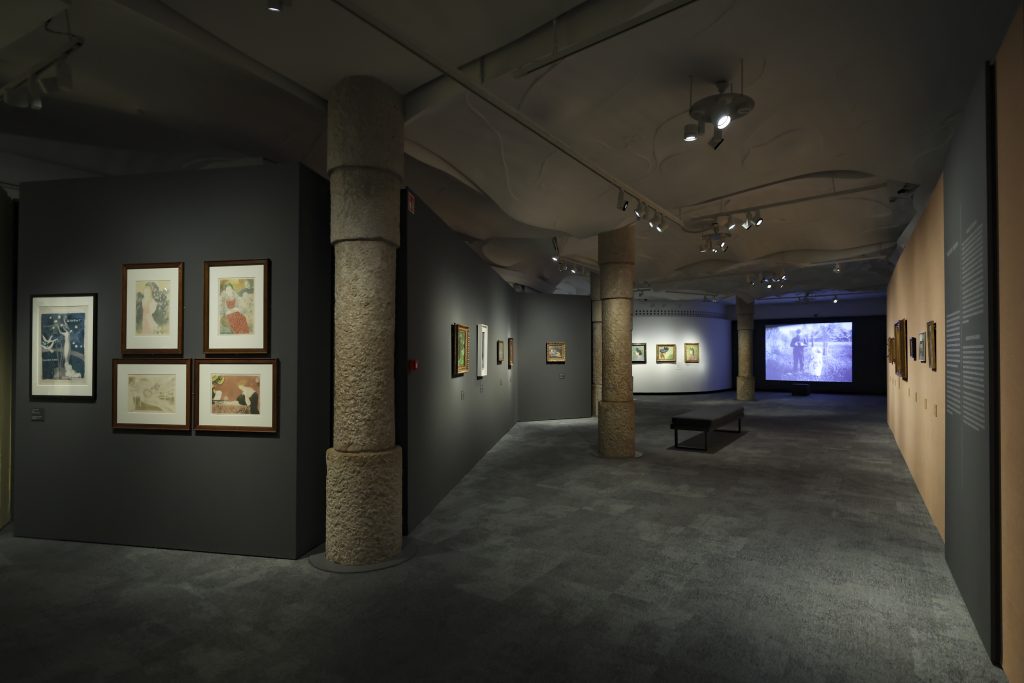
 The Fundació Catalunya La Pedrera welcomes the first exhibition in Barcelona devoted exclusively to the Nabis movement. The Nabis, From Bonnard to Vuillard explores how this group of artists transformed painting at the end of the 19th century, placing emotion, subjectivity, and everyday life at the heart of their artistic creation.
03.04.26
Dina Vierny View of the exhibition The Nabis: From Bonnard to Vuillard © Fundació Catalunya La Pedrera
Presented with the exceptional support of the Musée d'Orsay, the exhibition brings together nearly two hundred works revealing the beauty, diversity, and inventiveness of this movement, which played an essential role in the transition between Impressionism and the early avant-gardes of the 20th century. The Casa Milà, better known as La Pedrera, offers an ideal setting for this presentation. Designed by Antoni Gaudí between 1906 and 1912, this emblematic building of Catalan modernism embodies the Nabis' desire to abolish the boundaries between art and life, creating a total work of art where architecture and everyday life merge harmoniously.

The Nabis group—a term derived from the Hebrew neviim, meaning "prophets"—was formed in 1888 around Paul Sérusier and students from the Académie Julian in Paris: Pierre Bonnard, Édouard Vuillard, Maurice Denis, and Paul-Élie Ranson. They were quickly joined by Henri-Gabriel Ibels, Georges Lacombe, Aristide Maillol, József Rippl-Rónai, Ker-Xavier Roussel, Félix Vallotton, and Jan Verkade.	
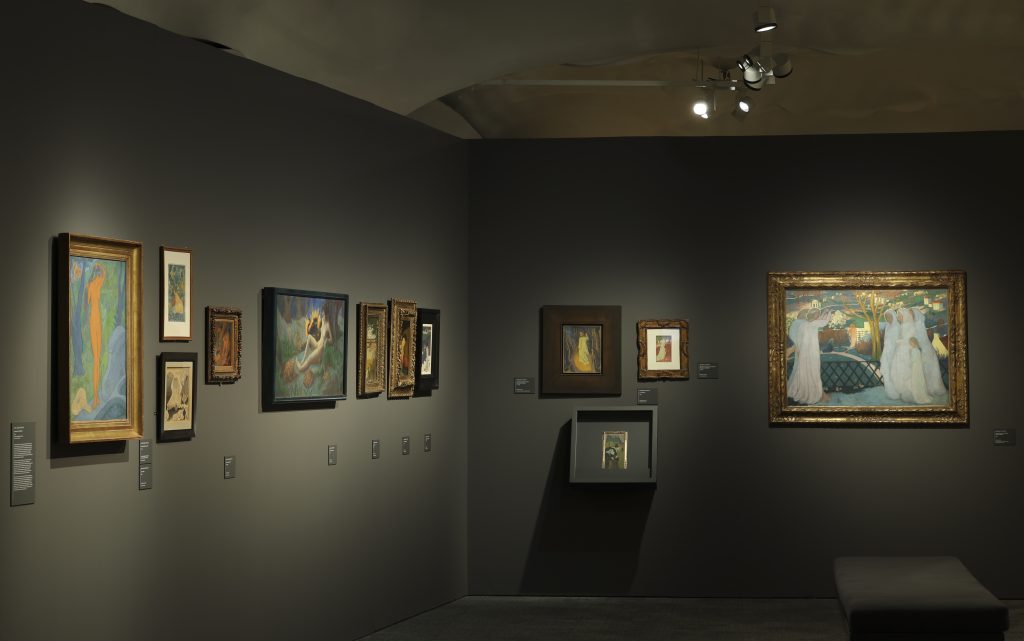
View of the exhibition The Nabis: From Bonnard to Vuillard © Fundació Catalunya La Pedrera
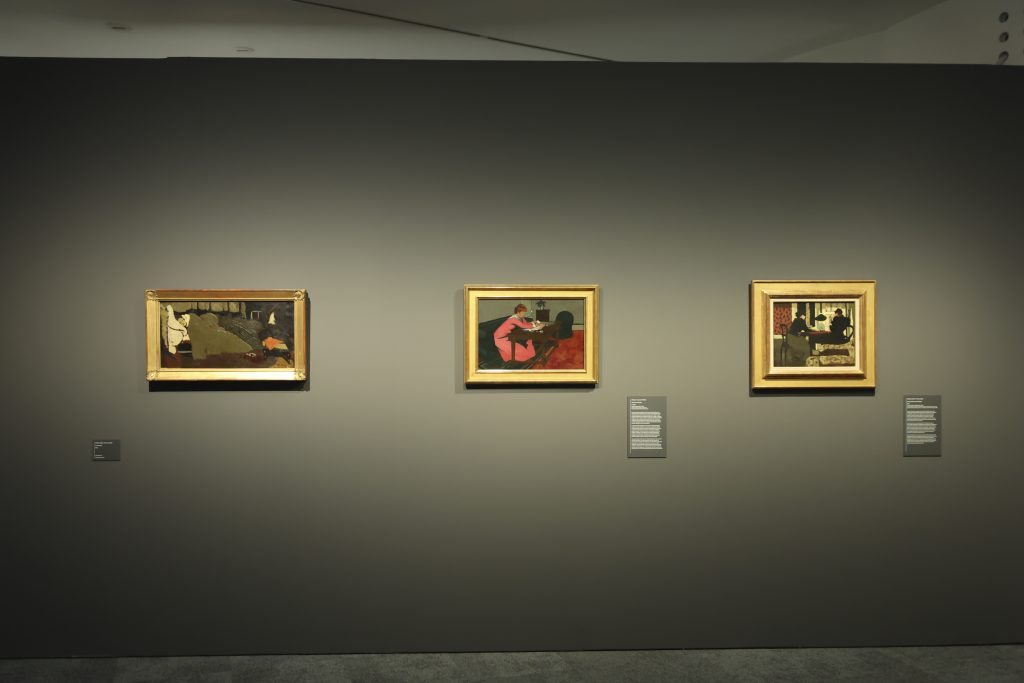
View of the exhibition The Nabis: From Bonnard to Vuillard © Fundació Catalunya La Pedrera
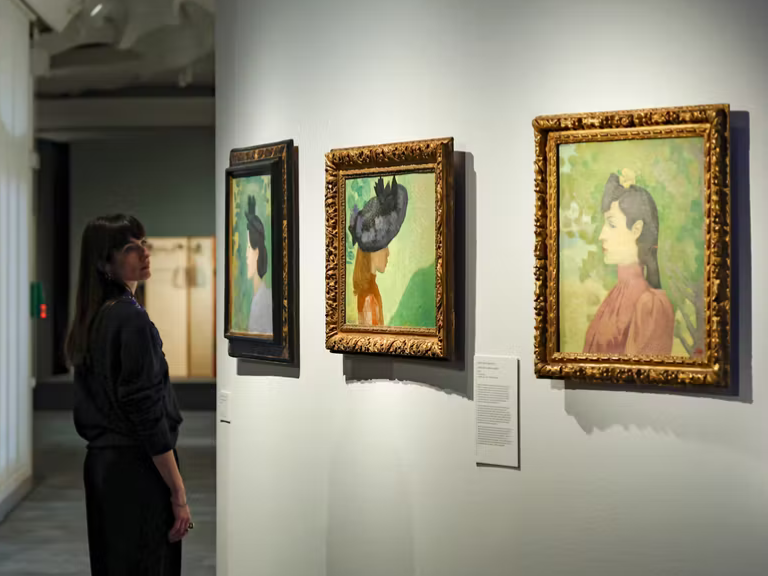
 Within the group, two tendencies coexisted: one, around Paul Sérusier and Maurice Denis, drawn to spirituality and esotericism; the other, bringing together Pierre Bonnard, Édouard Vuillard, and Félix Vallotton, more focused on contemporary life. The exhibition pays particular attention to Bonnard, explorer of light and color, and to Vuillard, marked by an introspective approach to domestic space. Despite their differences, all remained united around the idea of restoring painting's decorative character, practicing all techniques with the ambition of beautifying everyday life.

View of the exhibition The Nabis: From Bonnard to Vuillard © Fundació Catalunya La Pedrera


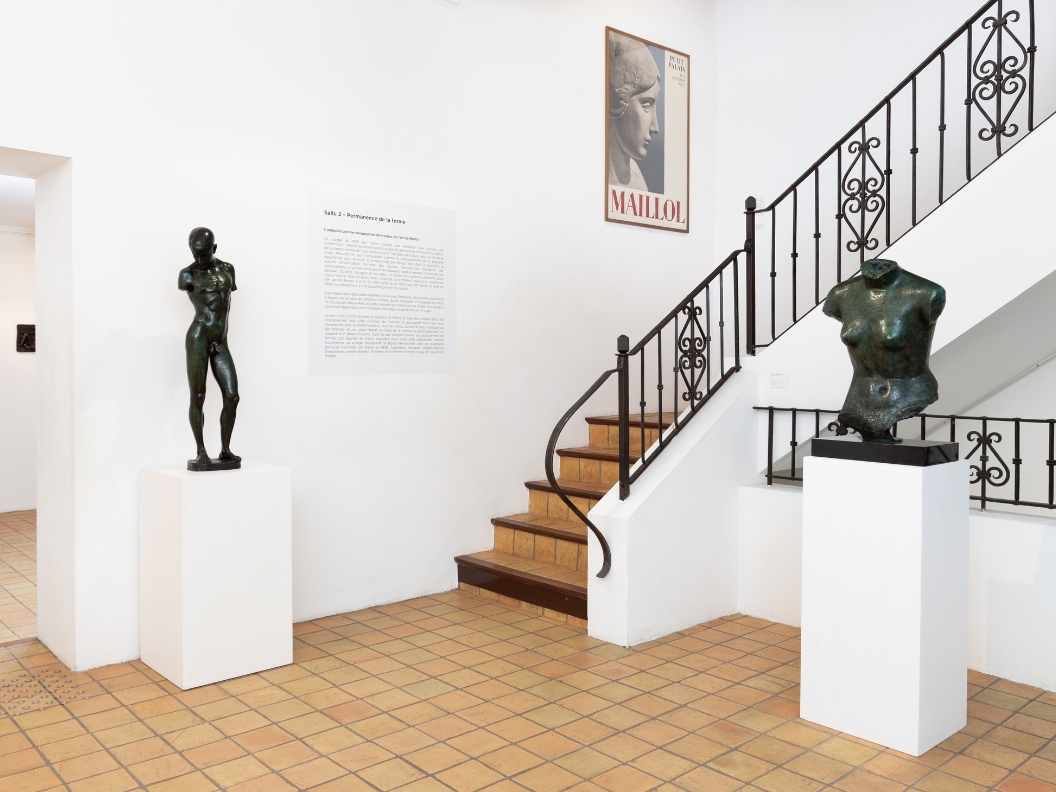
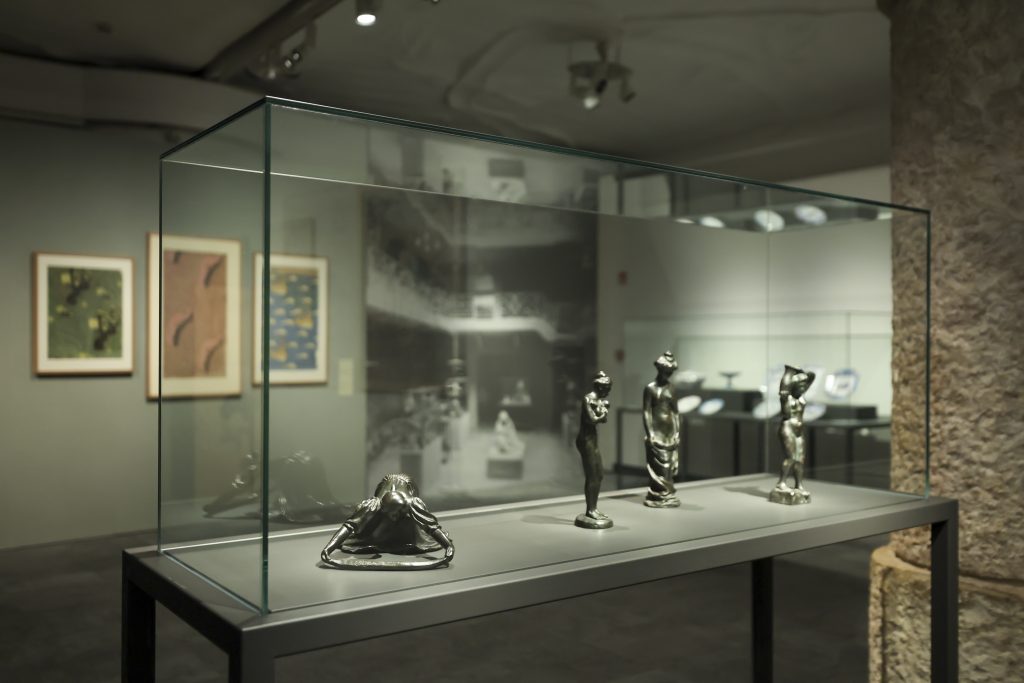
 Among the group's members, Aristide Maillol occupies a singular place. Originally from Northern Catalonia, he was introduced to the Nabis circle in 1890 by the Hungarian painter Rippl-Rónai. A multi-talented artist, Maillol was successively a painter, engraver, tapestry designer, ceramicist, and sculptor. He explored various techniques while giving a central place to the female nude, which he considered an inexhaustible field of formal research. He gradually developed a personal language, characterized by hieratic nudes with generous and powerful forms. Around 1900, he created a small crouching nude that gave birth to Méditerranée, a monumental sculpture exhibited at the Salon d'Automne in 1905, in which he sought to create "a young, pure, luminous, and noble figure," embodying the Mediterranean spirit.

View of the exhibition The Nabis: From Bonnard to Vuillard © Fundació Catalunya La Pedrera

View of the exhibition The Nabis: From Bonnard to Vuillard © Fundació Catalunya La Pedrera
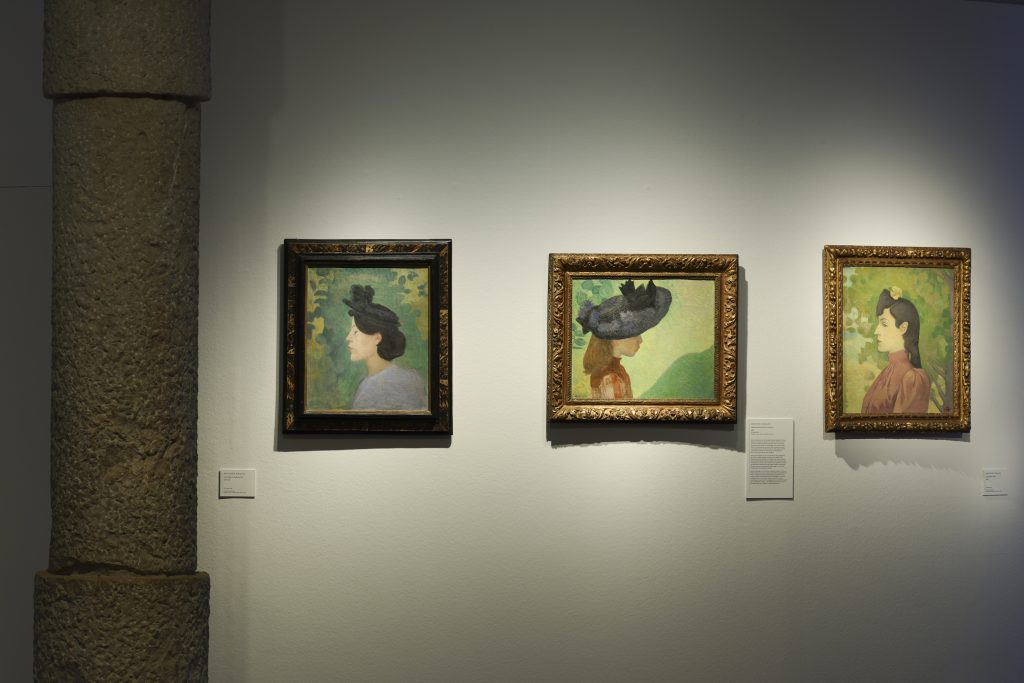
 The exhibition's itinerary is structured into several thematic sections presenting the group's main characteristics. The event brings together works from prestigious institutions: the Musée d'Orsay, the Centre Pompidou, the Petit Palais, the Dina Vierny Foundation – Musée Maillol in Paris, the Musée Bonnard in Le Cannet, the Musée Départemental Maurice Denis, the Museo Nacional Thyssen-Bornemisza in Madrid, the Fondation de l'Hermitage in Lausanne, and the Musée d'Art et d'Histoire in Geneva.

Curated by Isabelle Cahn, honorary chief curator at the Musée d'Orsay and expert on the Nabis movement, this exhibition offers a unique opportunity to discover these artists who became the prophets of a new art, convinced that art should beautify everyday life and be accessible to all.
 Within the group, two tendencies coexisted: one, around Paul Sérusier and Maurice Denis, drawn to spirituality and esotericism; the other, bringing together Pierre Bonnard, Édouard Vuillard, and Félix Vallotton, more focused on contemporary life. The exhibition pays particular attention to Bonnard, explorer of light and color, and to Vuillard, marked by an introspective approach to domestic space. Despite their differences, all remained united around the idea of restoring painting's decorative character, practicing all techniques with the ambition of beautifying everyday life.
Dina Vierny View of the exhibition The Nabis: From Bonnard to Vuillard © Fundació Catalunya La Pedrera

La Pedrera presents Les Nabis, From Bonnard to Vuillard

03.04.26
 
 The Fundació Catalunya La Pedrera welcomes the first exhibition in Barcelona devoted exclusively to the Nabis movement. The Nabis, From Bonnard to Vuillard explores how this group of artists transformed painting at the end of the 19th century, placing emotion, subjectivity, and everyday life at the heart of their artistic creation.
Presented with the exceptional support of the Musée d'Orsay, the exhibition brings together nearly two hundred works revealing the beauty, diversity, and inventiveness of this movement, which played an essential role in the transition between Impressionism and the early avant-gardes of the 20th century. The Casa Milà, better known as La Pedrera, offers an ideal setting for this presentation. Designed by Antoni Gaudí between 1906 and 1912, this emblematic building of Catalan modernism embodies the Nabis' desire to abolish the boundaries between art and life, creating a total work of art where architecture and everyday life merge harmoniously.

The Nabis group—a term derived from the Hebrew neviim, meaning "prophets"—was formed in 1888 around Paul Sérusier and students from the Académie Julian in Paris: Pierre Bonnard, Édouard Vuillard, Maurice Denis, and Paul-Élie Ranson. They were quickly joined by Henri-Gabriel Ibels, Georges Lacombe, Aristide Maillol, József Rippl-Rónai, Ker-Xavier Roussel, Félix Vallotton, and Jan Verkade.	
 Within the group, two tendencies coexisted: one, around Paul Sérusier and Maurice Denis, drawn to spirituality and esotericism; the other, bringing together Pierre Bonnard, Édouard Vuillard, and Félix Vallotton, more focused on contemporary life. The exhibition pays particular attention to Bonnard, explorer of light and color, and to Vuillard, marked by an introspective approach to domestic space. Despite their differences, all remained united around the idea of restoring painting's decorative character, practicing all techniques with the ambition of beautifying everyday life.

View of the exhibition The Nabis: From Bonnard to Vuillard © Fundació Catalunya La Pedrera

 Among the group's members, Aristide Maillol occupies a singular place. Originally from Northern Catalonia, he was introduced to the Nabis circle in 1890 by the Hungarian painter Rippl-Rónai. A multi-talented artist, Maillol was successively a painter, engraver, tapestry designer, ceramicist, and sculptor. He explored various techniques while giving a central place to the female nude, which he considered an inexhaustible field of formal research. He gradually developed a personal language, characterized by hieratic nudes with generous and powerful forms. Around 1900, he created a small crouching nude that gave birth to Méditerranée, a monumental sculpture exhibited at the Salon d'Automne in 1905, in which he sought to create "a young, pure, luminous, and noble figure," embodying the Mediterranean spirit.

View of the exhibition The Nabis: From Bonnard to Vuillard © Fundació Catalunya La Pedrera

View of the exhibition The Nabis: From Bonnard to Vuillard © Fundació Catalunya La Pedrera
                The exhibition's itinerary is structured into several thematic sections presenting the group's main characteristics. The event brings together works from prestigious institutions: the Musée d'Orsay, the Centre Pompidou, the Petit Palais, the Dina Vierny Foundation – Musée Maillol in Paris, the Musée Bonnard in Le Cannet, the Musée Départemental Maurice Denis, the Museo Nacional Thyssen-Bornemisza in Madrid, the Fondation de l'Hermitage in Lausanne, and the Musée d'Art et d'Histoire in Geneva.

Curated by Isabelle Cahn, honorary chief curator at the Musée d'Orsay and expert on the Nabis movement, this exhibition offers a unique opportunity to discover these artists who became the prophets of a new art, convinced that art should beautify everyday life and be accessible to all.            

Don't miss any of our news, subscribe to our newsletter!

    Ne ratez rien de nos actualités, abonnez-vous à notre newsletter !