Following its presentation at Galería Leandro Navarro in Madrid, the exhibition Maillol-Manolo. Pure Sculpture is now on view at Galería Artur Ramon Art in Barcelona through May 29, 2026. This second stop on its tour continues to explore the artistic dialogue between Aristide Maillol and Manuel Martinez Hugué, known as Manolo, before the exhibition travels to the Galerie Dina Vierny in Paris this September.01.04.2026
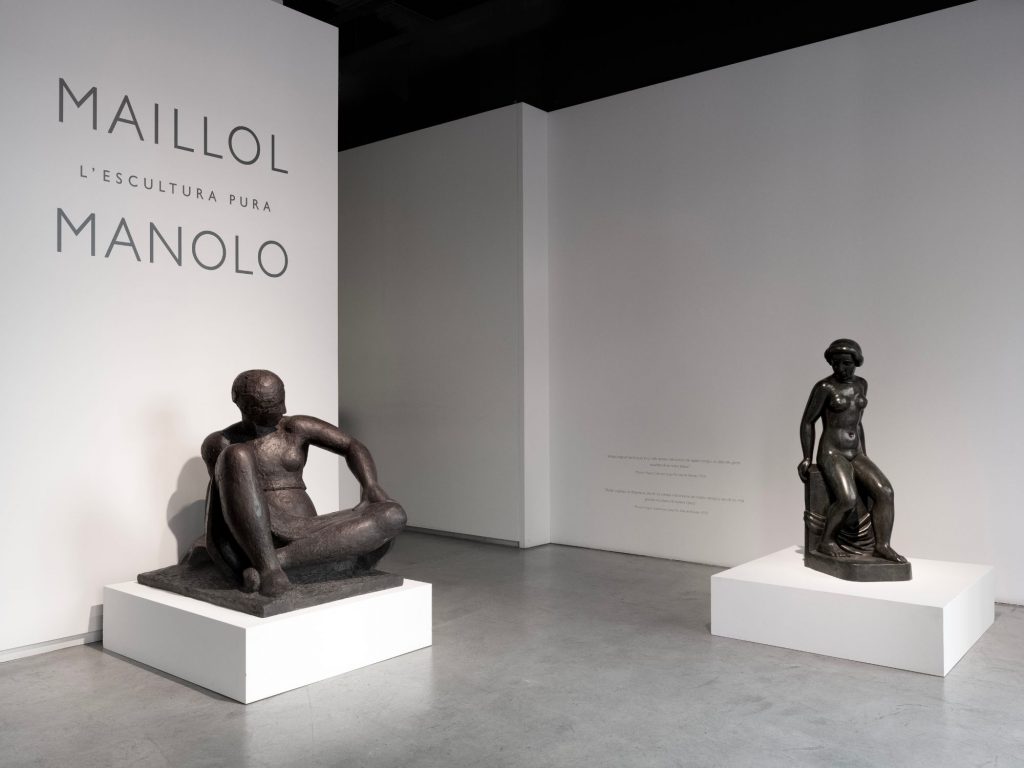
View of the exhibition Maillol-Manolo. Pure Sculpture © Galería Artur Ramon Curated by Àlex Susanna and J.P. Bouvet, the exhibition is centered on the friendship and artistic partnership that linked Maillol and Manolo. It highlights their shared quest for a "pure sculpture," which set itself apart from the expressionism inherited from Rodin. By turning to classical and Mediterranean ideals, the two artists asserted a vision of sculpture focused on the fullness of form, serenity, and synthesis, becoming key figures of the Noucentisme movement. The presentation brings together sculptures, drawings, paintings, and correspondence that bear witness to their exchanges.
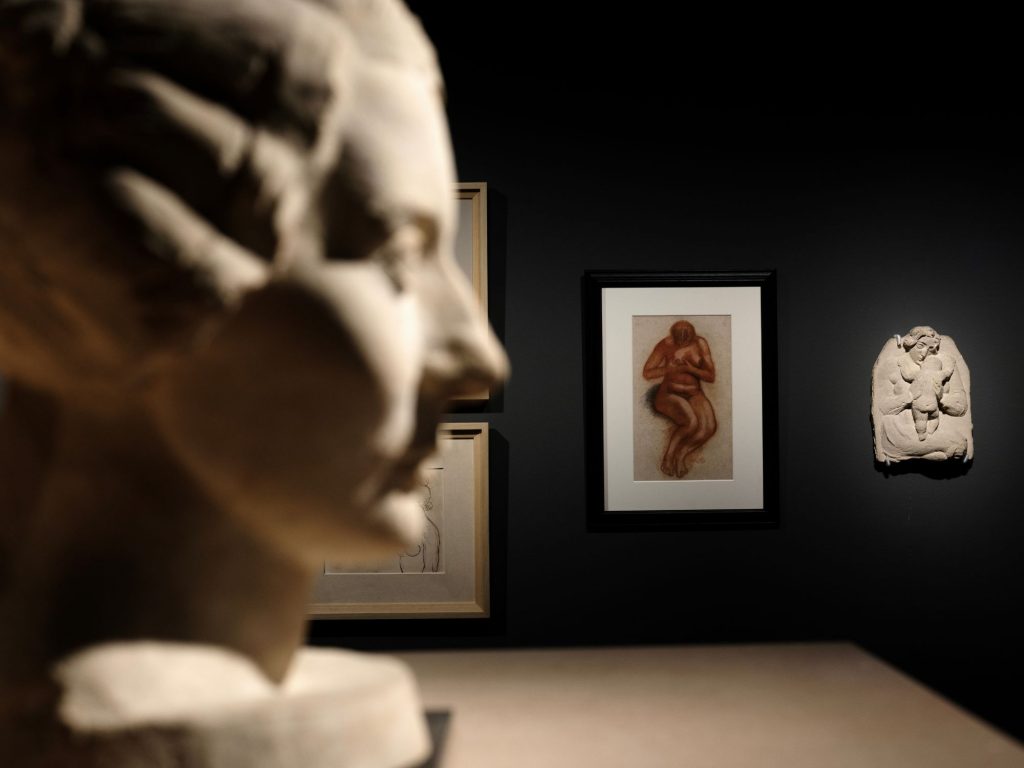

View of the exhibition Maillol-Manolo. Pure Sculpture © Galería Artur Ramon
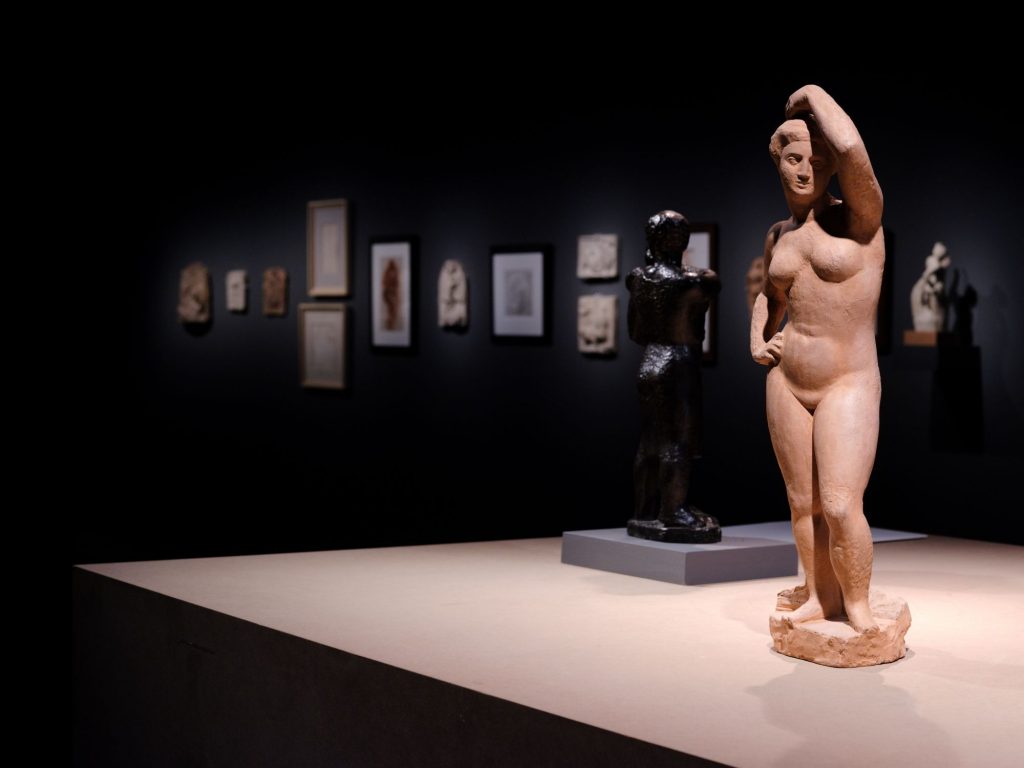
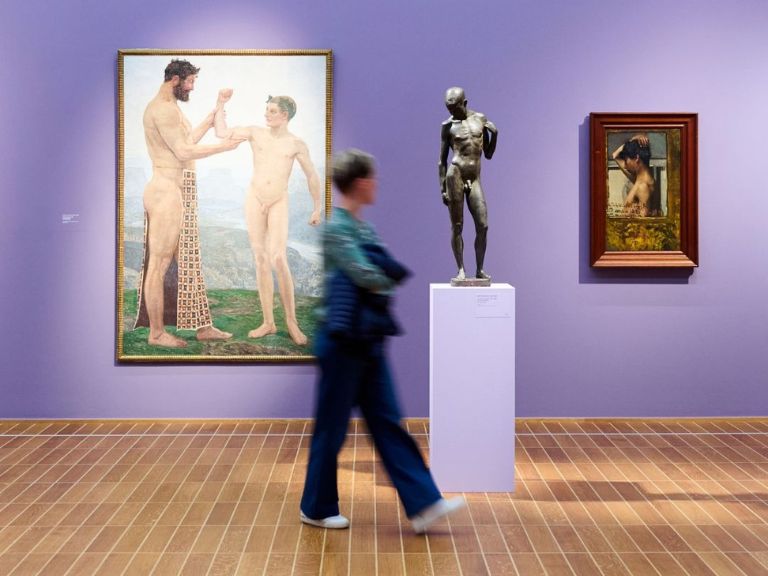
View of the exhibition Maillol-Manolo. Pure Sculpture © Galería Artur Ramon
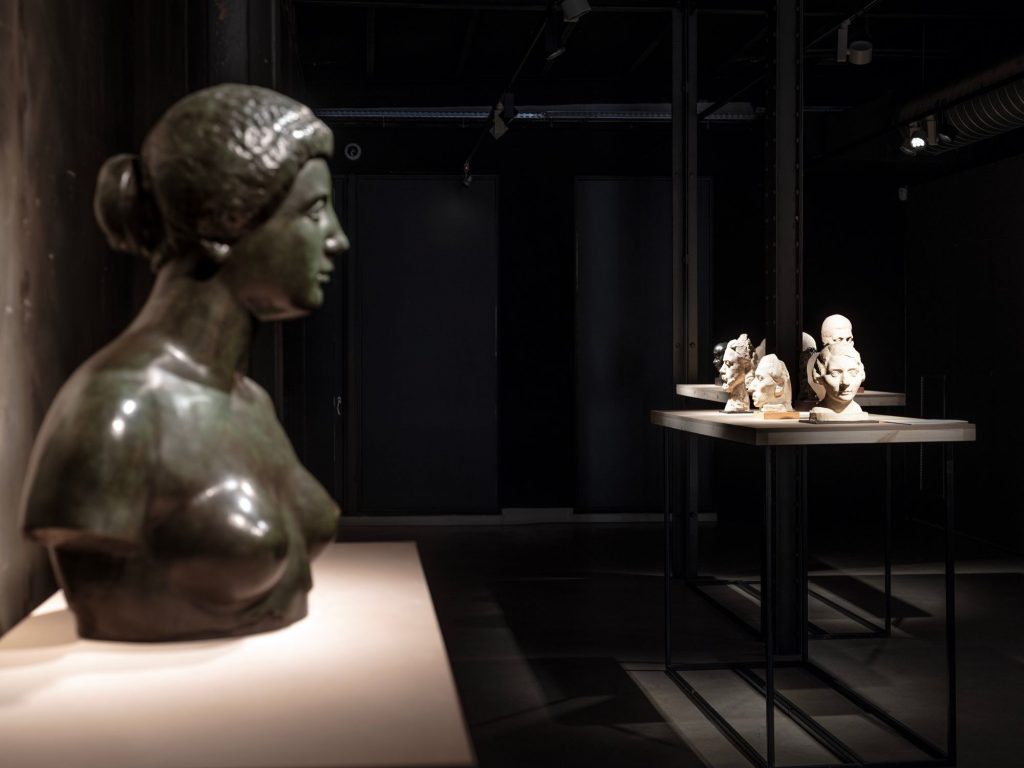
Manolo Hugué, Josep Pla, Vie de Manolo (1929) The Barcelona stop is significant for Manolo, a key figure in the Catalan art scene, but it also sheds light on Aristide Maillol's deep connection to the region. This sincerity is rooted in an attachment to his native land, a culture he shared with his Catalan friends. Maillol's stay with the family of his friend, the painter Etienne Terrus, during Christmas of 1912 is a testament to this. There, he was joined by Manolo and the composer Déodat de Séverac. The account of that midnight mass describes a typically Catalan atmosphere: the organ played by Séverac, the sound of the "nightingale's song," produced by blowing through a small, gurgling pottery vessel, and a peasant voice singing the old Catalan carol, El Cant dels Ocells (The Song of the Birds). According to witnesses, Maillol "left there like an enchanted child." This episode illustrates the artist's immersion in an authentic, local culture, far from the Parisian circles—an experience that nurtured his search for a universal form.

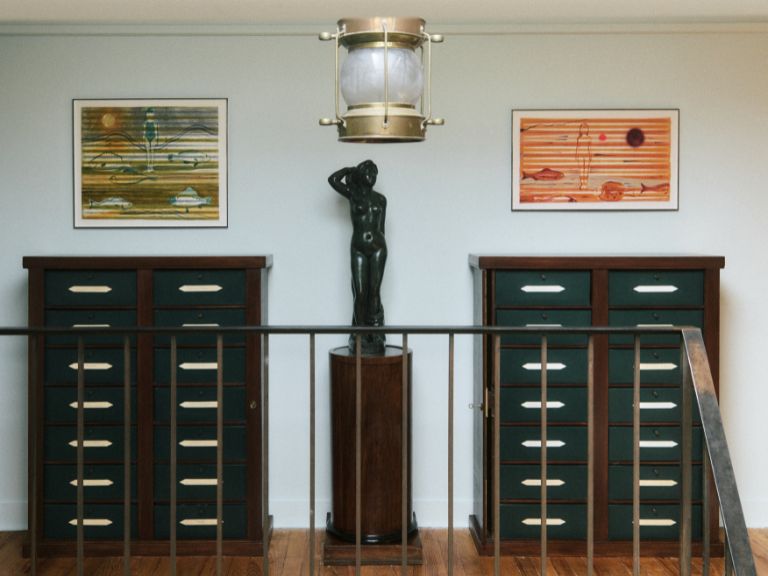
View of the exhibition Maillol-Manolo. Pure Sculpture © Galería Artur Ramon
This artistic friendship was nourished by common ground: a shared landscape—that of the Mediterranean in the shadow of the Canigou—and a shared ideal of returning to classicism. Although Maillol, eleven years his senior, acted as a master to Manolo, both shared the same ambition: to achieve a pure, essential sculpture, stripped of the artifice and narrative excesses of their time. To do so, each broke free from a major influence: Maillol moved beyond the expressionism of Rodin, while Manolo turned away from the undulating forms of Catalan Art Nouveau. It was in the female body, an archetype of harmony and perfection, that they found their preferred subject to explore this quest for serenity and eternity through stone, bronze, and terracotta.

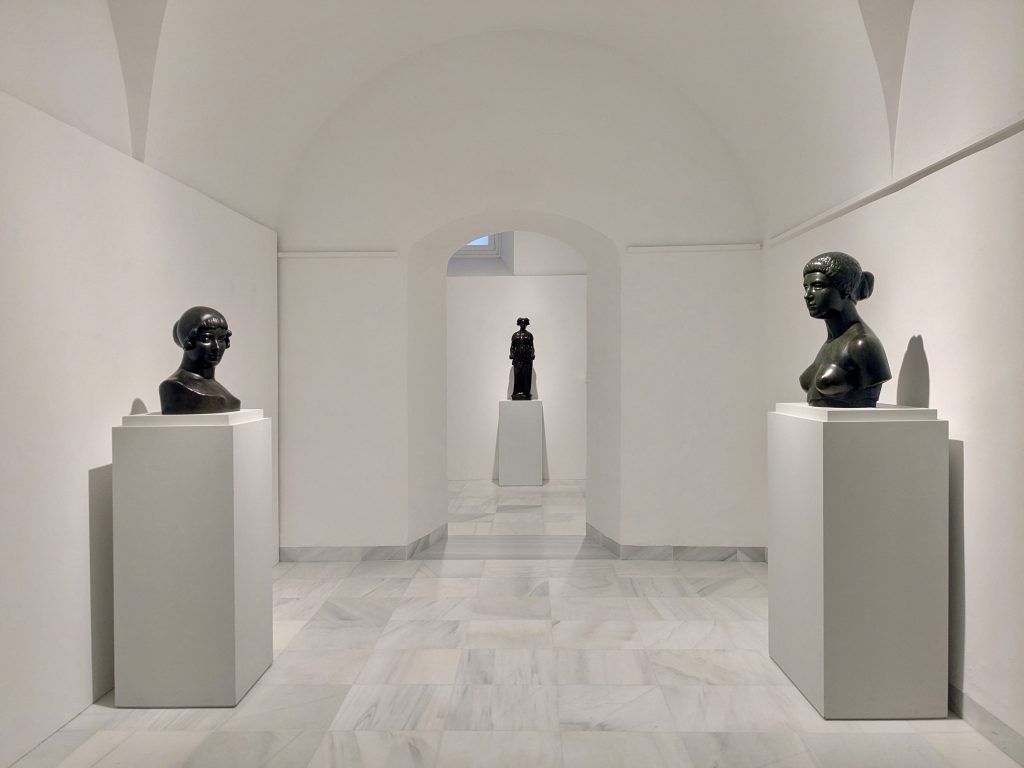
View of the exhibition Maillol-Manolo. Pure Sculpture © Galería Artur Ramon

View of the exhibition Maillol-Manolo. Pure Sculpture © Galería Artur Ramon
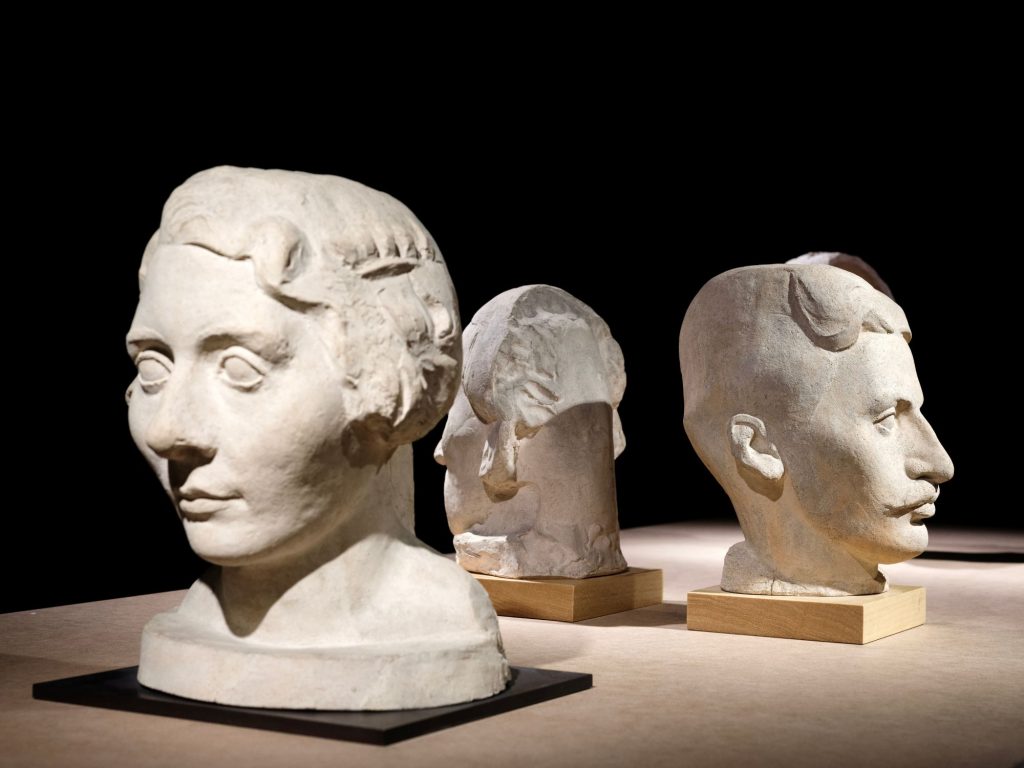
Galerie Dina Vierny will be the final destination for this traveling exhibition. Beginning in September, it will present this artistic conversation between the two sculptors to the Parisian public. This event will offer a deeper understanding of the bonds that united these two artists and left a mark on the sculpture of the early 20th century.
Manolo Hugué, Josep Pla, Vie de Manolo (1929) The Barcelona stop is significant for Manolo, a key figure in the Catalan art scene, but it also sheds light on Aristide Maillol's deep connection to the region. This sincerity is rooted in an attachment to his native land, a culture he shared with his Catalan friends. Maillol's stay with the family of his friend, the painter Etienne Terrus, during Christmas of 1912 is a testament to this. There, he was joined by Manolo and the composer Déodat de Séverac. The account of that midnight mass describes a typically Catalan atmosphere: the organ played by Séverac, the sound of the "nightingale's song," produced by blowing through a small, gurgling pottery vessel, and a peasant voice singing the old Catalan carol, El Cant dels Ocells (The Song of the Birds). According to witnesses, Maillol "left there like an enchanted child." This episode illustrates the artist's immersion in an authentic, local culture, far from the Parisian circles—an experience that nurtured his search for a universal form.
View of the exhibition Maillol-Manolo. Pure Sculpture © Galería Artur Ramon Following its presentation at Galería Leandro Navarro in Madrid, the exhibition Maillol-Manolo. Pure Sculpture is now on view at Galería Artur Ramon Art in Barcelona through May 29, 2026. This second stop on its tour continues to explore the artistic dialogue between Aristide Maillol and Manuel Martinez Hugué, known as Manolo, before the exhibition travels to the Galerie Dina Vierny in Paris this September.
Curated by Àlex Susanna and J.P. Bouvet, the exhibition is centered on the friendship and artistic partnership that linked Maillol and Manolo. It highlights their shared quest for a "pure sculpture," which set itself apart from the expressionism inherited from Rodin. By turning to classical and Mediterranean ideals, the two artists asserted a vision of sculpture focused on the fullness of form, serenity, and synthesis, becoming key figures of the Noucentisme movement. The presentation brings together sculptures, drawings, paintings, and correspondence that bear witness to their exchanges.
Manolo Hugué, Josep Pla, Vie de Manolo (1929) The Barcelona stop is significant for Manolo, a key figure in the Catalan art scene, but it also sheds light on Aristide Maillol's deep connection to the region. This sincerity is rooted in an attachment to his native land, a culture he shared with his Catalan friends. Maillol's stay with the family of his friend, the painter Etienne Terrus, during Christmas of 1912 is a testament to this. There, he was joined by Manolo and the composer Déodat de Séverac. The account of that midnight mass describes a typically Catalan atmosphere: the organ played by Séverac, the sound of the "nightingale's song," produced by blowing through a small, gurgling pottery vessel, and a peasant voice singing the old Catalan carol, El Cant dels Ocells (The Song of the Birds). According to witnesses, Maillol "left there like an enchanted child." This episode illustrates the artist's immersion in an authentic, local culture, far from the Parisian circles—an experience that nurtured his search for a universal form.

View of the exhibition Maillol-Manolo. Pure Sculpture © Galería Artur Ramon
This artistic friendship was nourished by common ground: a shared landscape—that of the Mediterranean in the shadow of the Canigou—and a shared ideal of returning to classicism. Although Maillol, eleven years his senior, acted as a master to Manolo, both shared the same ambition: to achieve a pure, essential sculpture, stripped of the artifice and narrative excesses of their time. To do so, each broke free from a major influence: Maillol moved beyond the expressionism of Rodin, while Manolo turned away from the undulating forms of Catalan Art Nouveau. It was in the female body, an archetype of harmony and perfection, that they found their preferred subject to explore this quest for serenity and eternity through stone, bronze, and terracotta.

View of the exhibition Maillol-Manolo. Pure Sculpture © Galería Artur Ramon

View of the exhibition Maillol-Manolo. Pure Sculpture © Galería Artur Ramon
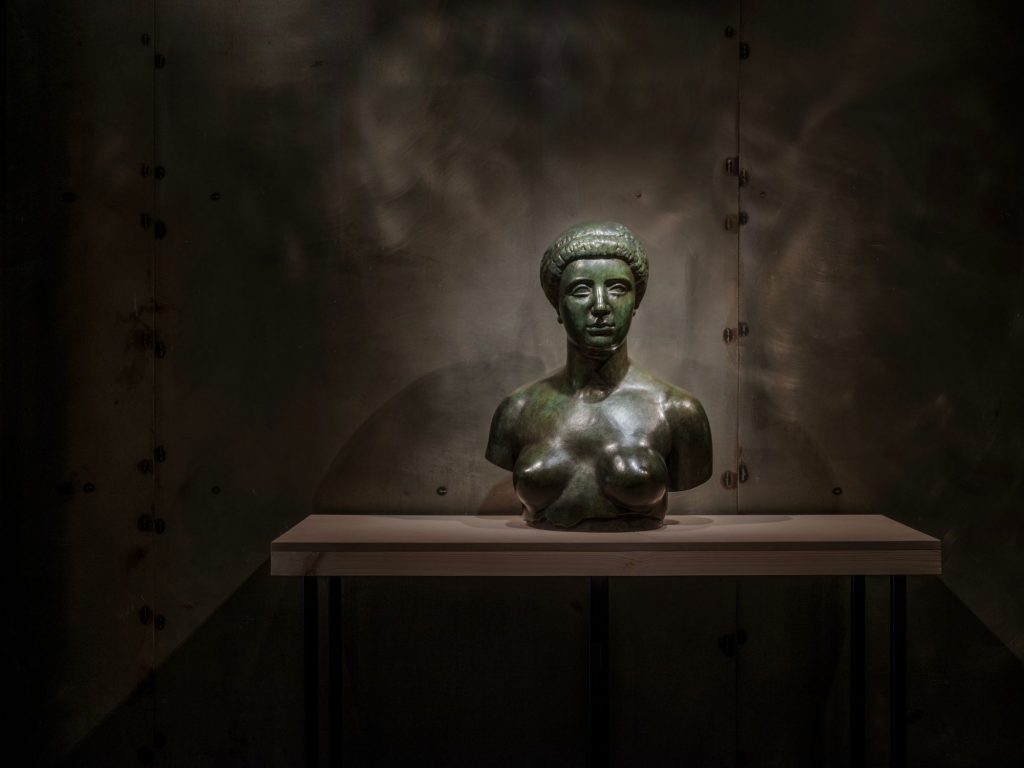
Galerie Dina Vierny will be the final destination for this traveling exhibition. Beginning in September, it will present this artistic conversation between the two sculptors to the Parisian public. This event will offer a deeper understanding of the bonds that united these two artists and left a mark on the sculpture of the early 20th century.
Galerie Dina Vierny
36 rue Jacob 75006 Paris
53 Rue de Seine, 75006 Paris
Open from Tuesday to Saturday from 11 a.m. to 7 p.m.
Galerie Dina Vierny
36 rue Jacob 75006 Paris
53 Rue de Seine, 75006 Paris
Open from Tuesday to Saturday from 11 a.m. to 7 p.m.