

All Exhibitions here

Maillol and Greece

 
 From June 11 to December 31, 2026, the Maillol Museum in Banyuls-sur-Mer invites visitors on a unique Mediterranean journey with the exhibition Maillol and Greece. Through a selection of paintings, drawings, sculptures, photographs, and prints, the exhibition explores the deep connections that linked Aristide Maillol (1861–1944) to the art of ancient Greece. At the heart of this retrospective is the foundational journey he took in the spring of 1908 with his friend and patron, Count Harry Kessler.
15.07.2026
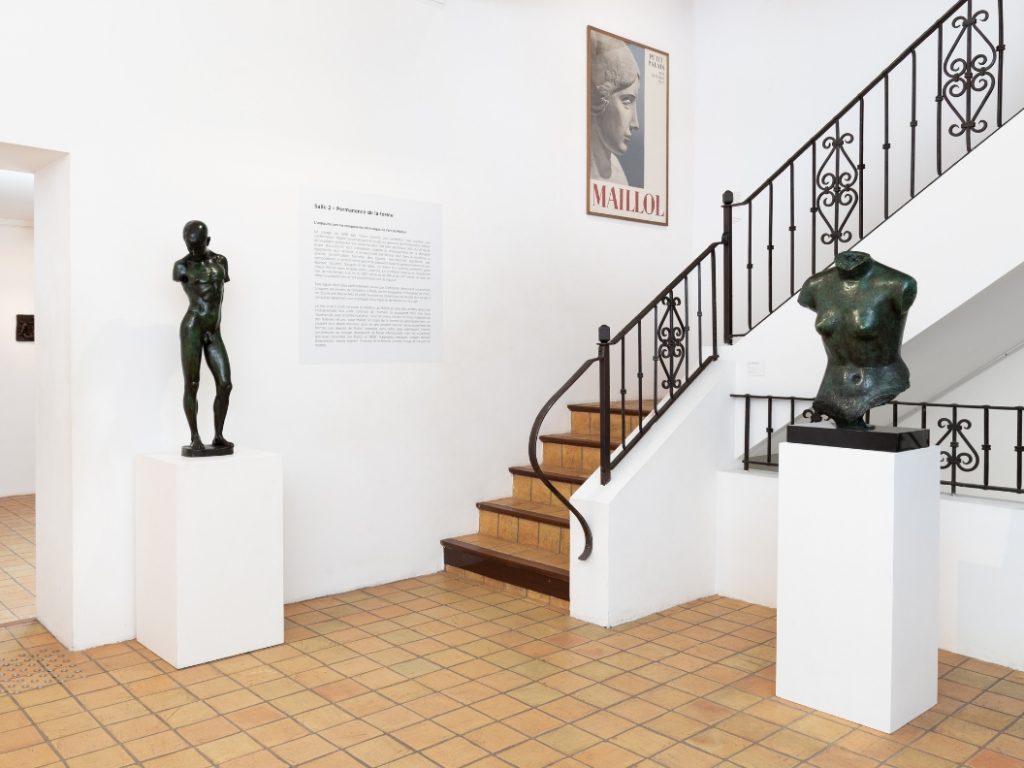
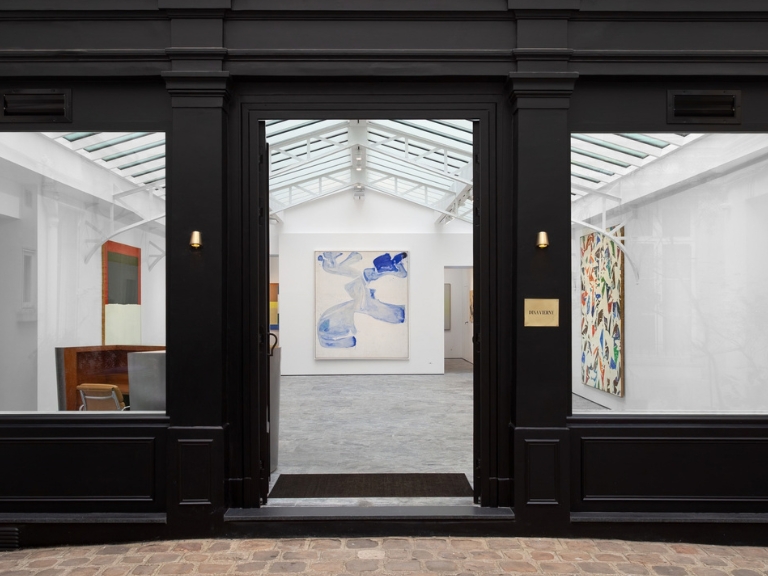
Dina Vierny View of the exhibition Maillol and Greece at the Maillol Museum in Banyuls-sur-Mer © Jean Vayssié
Although Maillol did not visit Greece until he was 47, his imagination was already deeply steeped in classical culture, shaped by his years of training in Paris and his frequent visits to the Louvre. From the moment he set foot on Greek soil, the aesthetic shock was coupled with a sense of absolute familiarity. The artist was struck by the striking resemblance between the landscapes, contours, and light of his native Catalonia and the coasts of Attica. “When I arrived, I thought I’d returned to Banyuls!” he wrote in his travel journal—the only personal diary of his life, featured in the exhibition.  

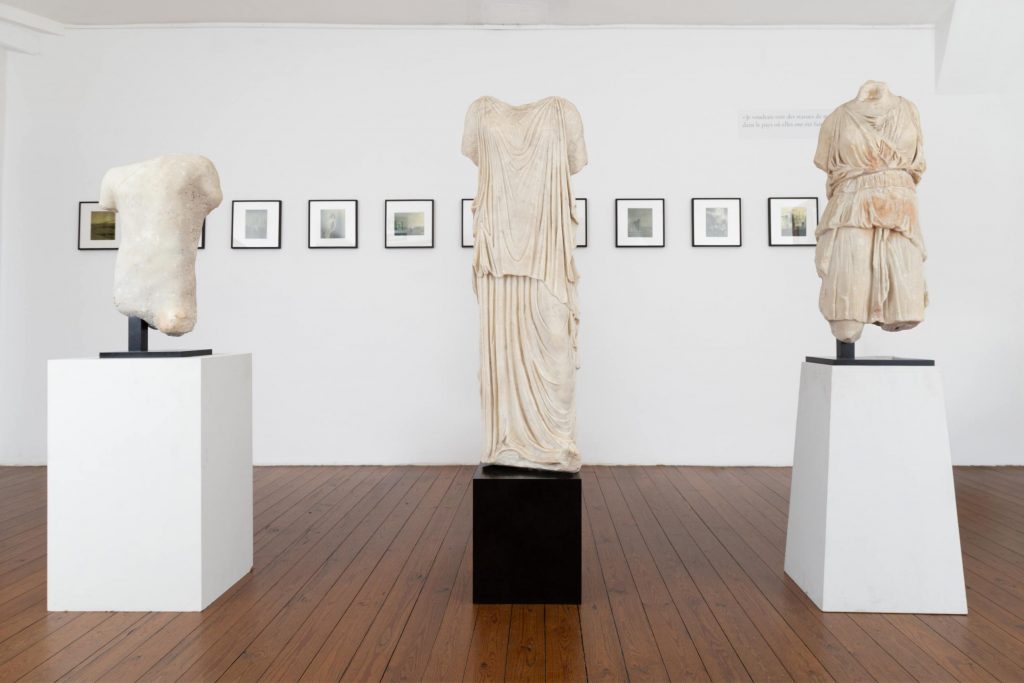
This quest for purity found its anchor in the archaic Greek art of the 6th century B.C. Standing before the kouros statues of Delphi, Maillol exclaimed: “Now that’s sculpture!” Far from being a mere imitation, this journey served as a powerful confirmation of his own artistic explorations: a simplification of forms, a rejection of academic detail, and a plastic synthesis that he shared with his peers Cézanne, Gauguin, and the Nabis.	
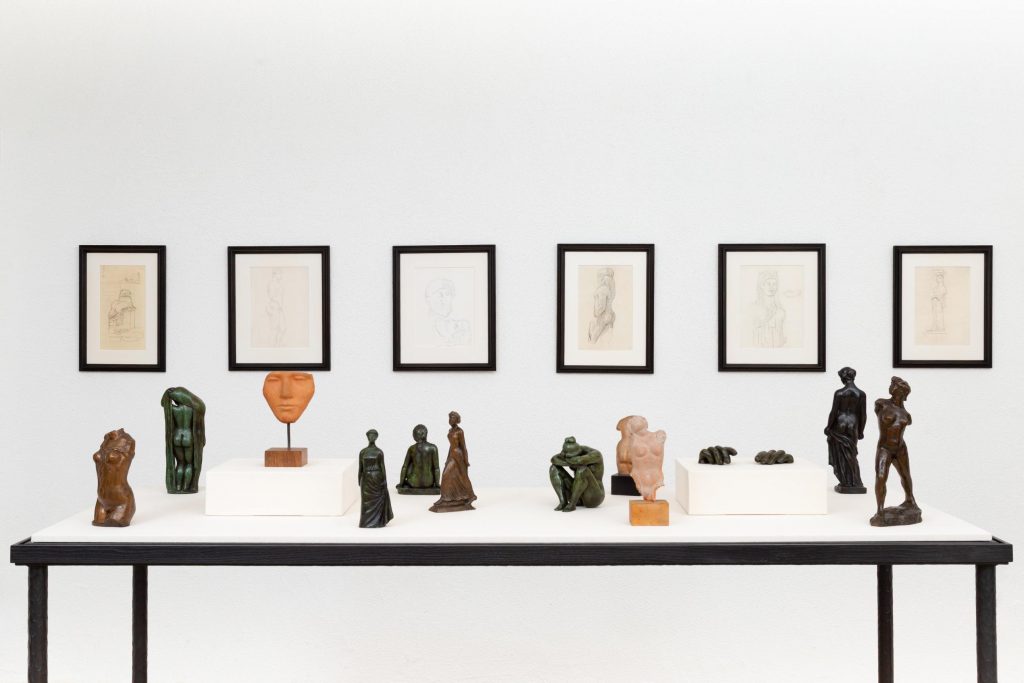

View of the exhibition Maillol and Greece at the Maillol Museum in Banyuls-sur-Mer © Jean Vayssié
«

I would like to see marble statues outdoors, in the country where they were created.

»

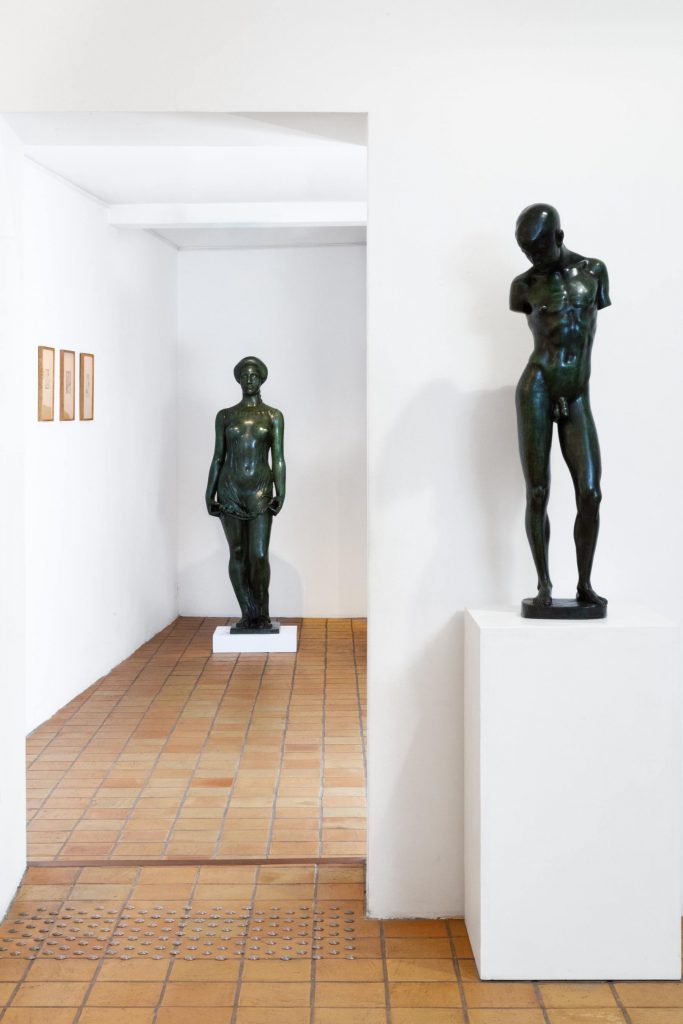
 The most intimate point of convergence between  Maillol and the classical masters lies in the veneration of the human body as the ultimate measure of the world. While Greek sculpture focused on the male athlete, Maillol devoted his genius to the female nude, which he sculpted with sensual tension and geometric precision.  

View of the exhibition Maillol and Greece at the Maillol Museum in Banyuls-sur-Mer © Jean Vayssié
 The exhibition highlights this timeless dialogue: his drawings of drapery and torsos, created on site, echo his masterpieces from his mature period. His famous Flore thus stands with the motionless majesty and restrained vitality of the caryatids of the Erechtheion, which he so greatly admired. Upon his return to France, enriched by this physical experience of the ruins “in the sun,” the artist reinvented Arcadia, conceiving his war memorials as true ancient metopes that blend sculpture and architecture. 

View of the exhibition Maillol and Greece at the Maillol Museum in Banyuls-sur-Mer © Jean Vayssié
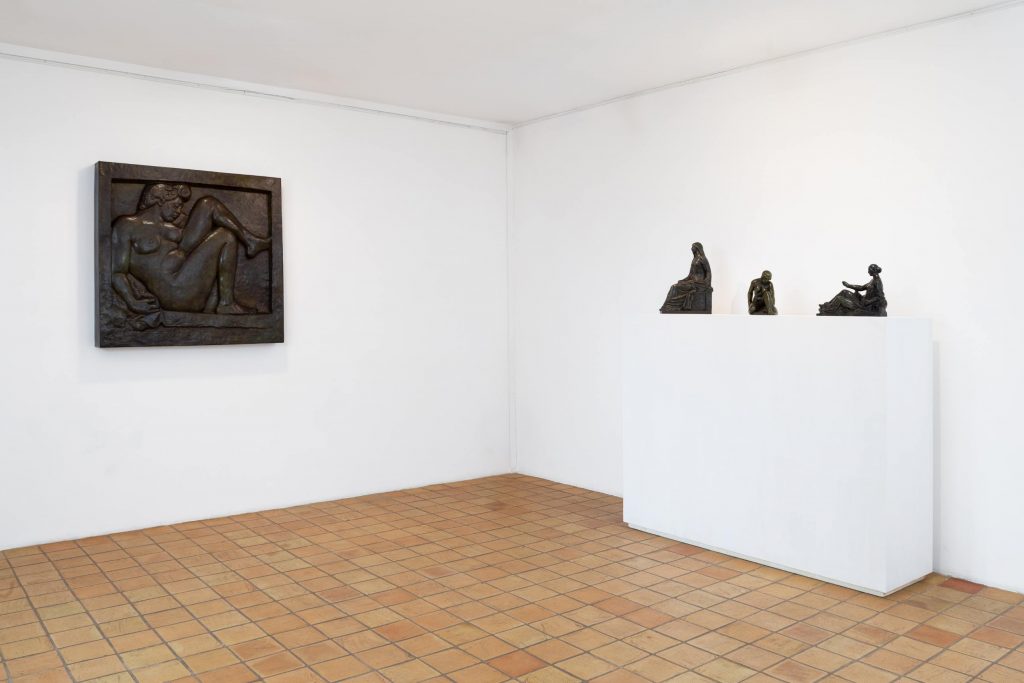

 The close collaboration between  Maillol and Count Kessler went beyond mere sculpture. An avid reader of Homer, Virgil, and Ovid, Maillol channeled his love for an idealized Mediterranean nature into the illustration of rare editions. For these art books commissioned by his patron, the sculptor even went so far as to make his own handmade paper.  

View of the exhibition Maillol and Greece at the Maillol Museum in Banyuls-sur-Mer © Jean Vayssié
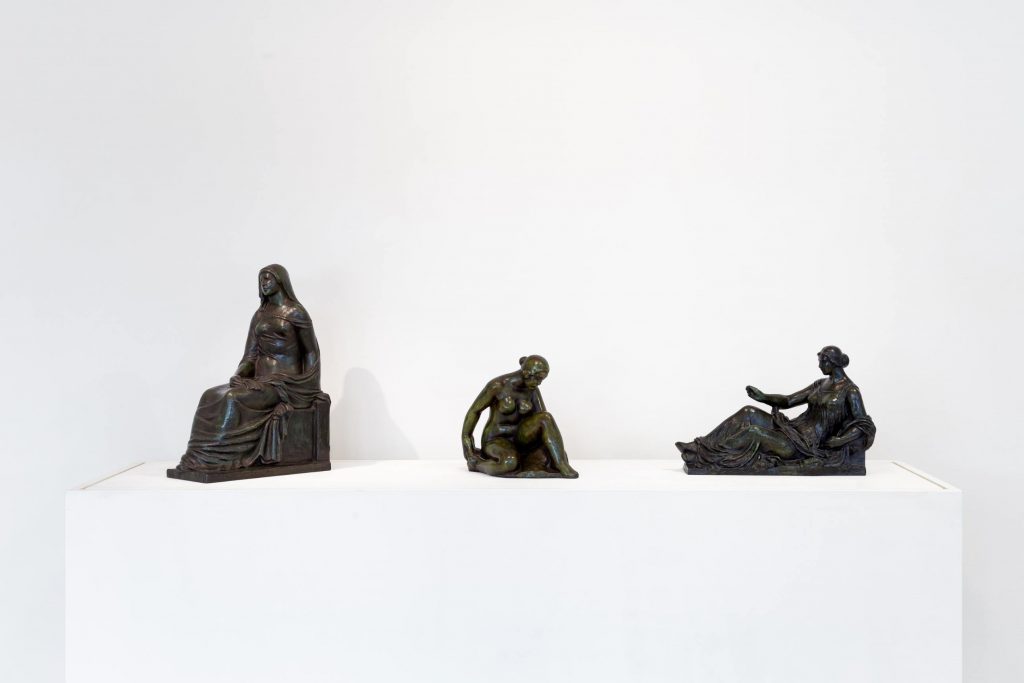
View of the exhibition Maillol and Greece at the Maillol Museum in Banyuls-sur-Mer © Jean Vayssié
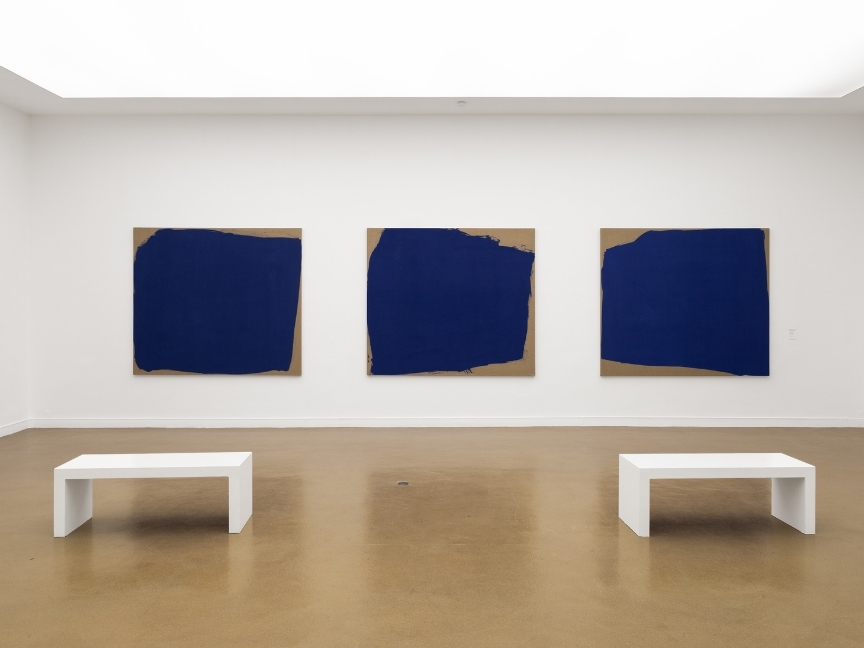
 This exhibition thus traces the course of a life guided by an artistic rigor of absolute consistency, in which formal simplicity blends with sensuality to achieve universality. 

Maillol Museum in Banyuls-sur-Mer
Maillol and Greece
June 11–December 31, 2026
 The most intimate point of convergence between  Maillol and the classical masters lies in the veneration of the human body as the ultimate measure of the world. While Greek sculpture focused on the male athlete, Maillol devoted his genius to the female nude, which he sculpted with sensual tension and geometric precision.  
Dina Vierny View of the exhibition Maillol and Greece at the Maillol Museum in Banyuls-sur-Mer © Jean Vayssié
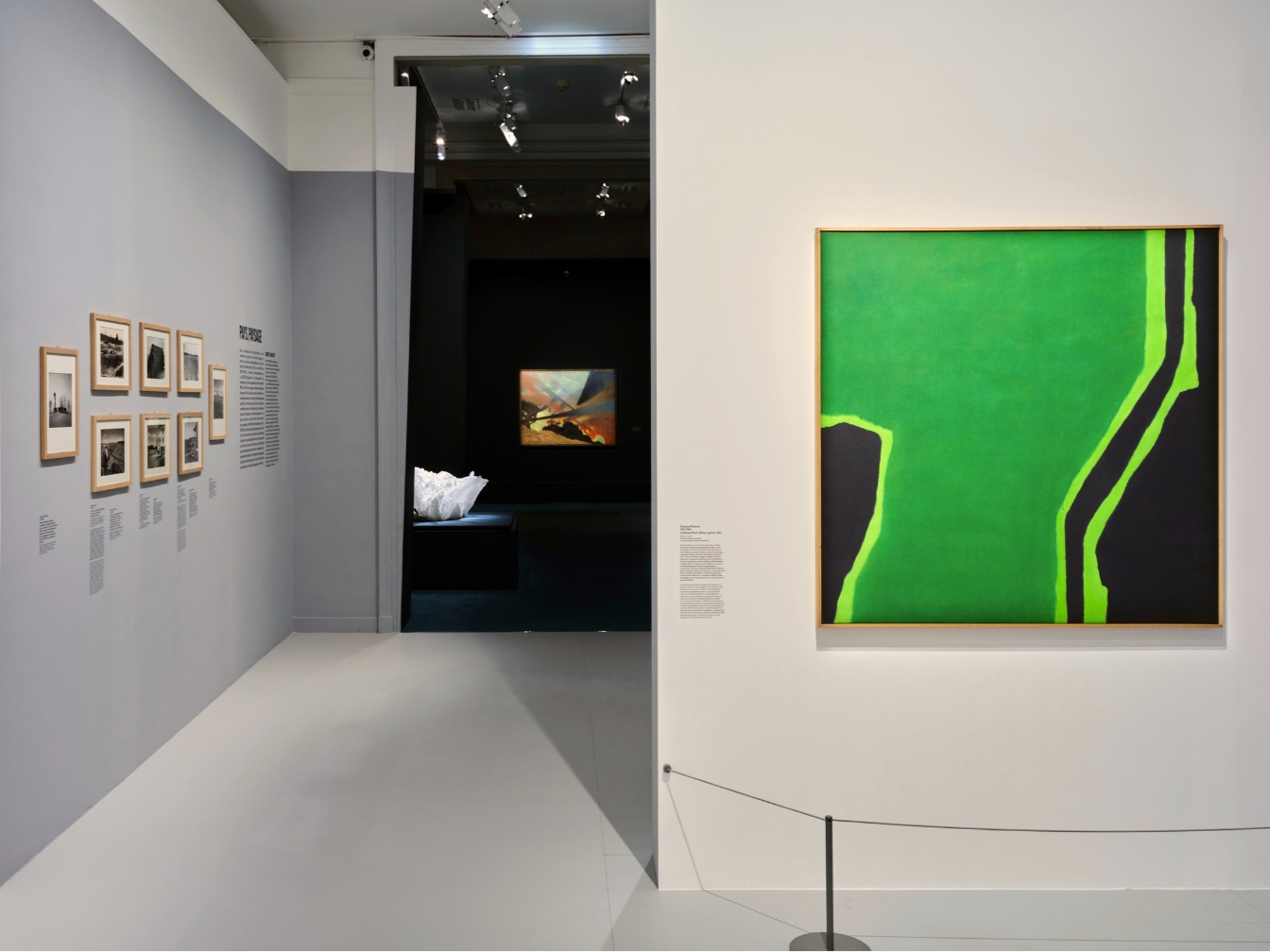
Maillol and Greece

15.07.2026
 
 From June 11 to December 31, 2026, the Maillol Museum in Banyuls-sur-Mer invites visitors on a unique Mediterranean journey with the exhibition Maillol and Greece. Through a selection of paintings, drawings, sculptures, photographs, and prints, the exhibition explores the deep connections that linked Aristide Maillol (1861–1944) to the art of ancient Greece. At the heart of this retrospective is the foundational journey he took in the spring of 1908 with his friend and patron, Count Harry Kessler.
Although Maillol did not visit Greece until he was 47, his imagination was already deeply steeped in classical culture, shaped by his years of training in Paris and his frequent visits to the Louvre. From the moment he set foot on Greek soil, the aesthetic shock was coupled with a sense of absolute familiarity. The artist was struck by the striking resemblance between the landscapes, contours, and light of his native Catalonia and the coasts of Attica. “When I arrived, I thought I’d returned to Banyuls!” he wrote in his travel journal—the only personal diary of his life, featured in the exhibition.  

This quest for purity found its anchor in the archaic Greek art of the 6th century B.C. Standing before the kouros statues of Delphi, Maillol exclaimed: “Now that’s sculpture!” Far from being a mere imitation, this journey served as a powerful confirmation of his own artistic explorations: a simplification of forms, a rejection of academic detail, and a plastic synthesis that he shared with his peers Cézanne, Gauguin, and the Nabis.	

«

I would like to see marble statues outdoors, in the country where they were created.

»

 The most intimate point of convergence between  Maillol and the classical masters lies in the veneration of the human body as the ultimate measure of the world. While Greek sculpture focused on the male athlete, Maillol devoted his genius to the female nude, which he sculpted with sensual tension and geometric precision.  

View of the exhibition Maillol and Greece at the Maillol Museum in Banyuls-sur-Mer © Jean Vayssié
 The exhibition highlights this timeless dialogue: his drawings of drapery and torsos, created on site, echo his masterpieces from his mature period. His famous Flore thus stands with the motionless majesty and restrained vitality of the caryatids of the Erechtheion, which he so greatly admired. Upon his return to France, enriched by this physical experience of the ruins “in the sun,” the artist reinvented Arcadia, conceiving his war memorials as true ancient metopes that blend sculpture and architecture. 

View of the exhibition Maillol and Greece at the Maillol Museum in Banyuls-sur-Mer © Jean Vayssié

 The close collaboration between  Maillol and Count Kessler went beyond mere sculpture. An avid reader of Homer, Virgil, and Ovid, Maillol channeled his love for an idealized Mediterranean nature into the illustration of rare editions. For these art books commissioned by his patron, the sculptor even went so far as to make his own handmade paper.  

View of the exhibition Maillol and Greece at the Maillol Museum in Banyuls-sur-Mer © Jean Vayssié

View of the exhibition Maillol and Greece at the Maillol Museum in Banyuls-sur-Mer © Jean Vayssié

                This exhibition thus traces the course of a life guided by an artistic rigor of absolute consistency, in which formal simplicity blends with sensuality to achieve universality. 

Maillol Museum in Banyuls-sur-Mer
Maillol and Greece
June 11–December 31, 2026            

Don't miss any of our news, subscribe to our newsletter!

    Ne ratez rien de nos actualités, abonnez-vous à notre newsletter !